
Guides
Be Cozy & Ready: Winter Packing Guide for Japan - From Tokyo to Sapporo
Nov 7, 2025
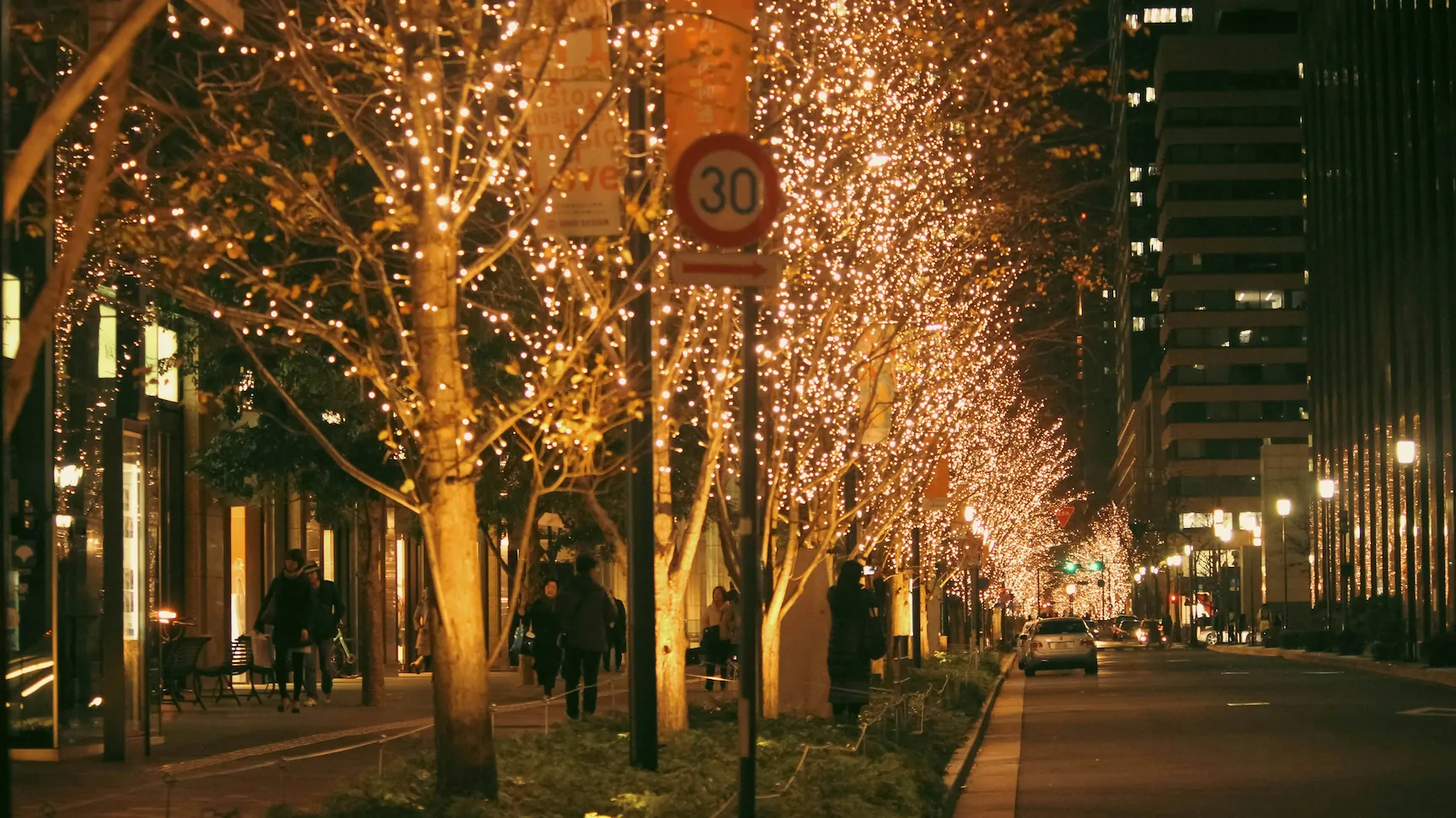
Winter Season: December – February
Winter in Japan is a study in contrasts. You could wake up in snow-covered temples in the mountains, then find yourself exploring subtropical gardens by afternoon. It's also the season of hot springs, winter illuminations, and pristine landscapes. The challenge? Japan's winter varies dramatically by region. Hokkaido can be arctic while Okinawa feels almost spring-like. But here's the secret: smart layering and the right outerwear handle everything. Pack strategically, and you'll be comfortable whether you're in a ryokan or wandering snowy streets.
Understanding Winter Temperature Ranges
Tokyo (Kanto): 5–10°C (41–50°F) — Dry, crisp, occasionally frosty
Osaka (Kansai): 6–11°C (43–52°F) — Slightly milder than Tokyo
Fukuoka (Kyushu): 8–13°C (46–55°F) — Warmest of the main cities
Sapporo (Hokkaido): -5–0°C (23–32°F) — Snowy, cold, mountainous
Okinawa (Okinawa Prefecture): 15–20°C (59–68°F) — Subtropical; still warm compared to mainland
Complete Winter Packing Checklist
Essential Winter Clothing & Layers:
Thermal base layers or moisture-wicking long underwear
Mix of long-sleeve shirts and sweaters
Warm wool or knit sweaters (not bulky, but insulating)
Comfortable jeans and one pair of black dress pants
Thermal or fleece-lined leggings (optional but worthwhile)
One midi skirt or dress for evening experiences
Undergarments (10 days worth; consider thermal versions)
Warm socks (wool blend works well) and regular socks
Warm sleepwear or thermal pajamas
Crucial Outerwear & Cold Weather Gear:
Insulated winter coat or puffer jacket (lightweight but warm)
Wool or knit hat (essential for heat retention)
Insulated gloves or mittens
Warm scarf or neck gaiter (doubles as face protection)
Waterproof, windproof outer layer (for snow or rain protection)
Footwear:
If in nature: Waterproof, insulated winter boots (non-slip soles) - finding larger shoe sizes for boots in Japan can be a challenge
If in the city: Warm walking shoes with good traction
Optional: Indoor slippers (ryokans appreciate this)
Toiletries & Personal Care:
Prescription medications (bring extras in original containers)
Rich, hydrating moisturizer (cool winter air will dry out skin)
Lip balm with SPF (UV rays reflect off snow)
Sunscreen (SPF 30+) — yes, even in winter. Japanese sunscreen is renowned for quality; having your preferred brand ensures you're protected from day one
Hand cream or cuticle balm
Deodorant
Toothbrush and toothpaste
Shampoo, conditioner, and body wash — only bring if you have a preferred brand, otherwise accommodations provide fantastic toiletries
Gentle face cleanser
Hair brush or comb
Hair ties or clips (if applicable)
Feminine hygiene products (if needed — less available than in Western countries)
Razors or shaving cream (if applicable)
Nail clippers
Cold and flu relief medicine
Small first aid kit (pain reliever, anti-diarrheal, bandages, blister treatment, cold medicine)
Any other daily personal care items you rely on
Electronics & Tech:
Phone charger and cable (Type A plugs in Japan) - most Canadian adapters should work without issue
Portable power bank (cold weather drains battery faster)
Camera or smartphone
Headphones or earbuds
Optional: Laptop or tablet
Accessories & Bags:
Sunglasses (snow reflection is bright)
Umbrella - when it comes to rain, Japan is more so team umbrella rather than team raincoat with hood on
Small crossbody bag or lightweight backpack
Wallet or money pouch
Passport (required to carry at all times for tourists in Japan)
Travel insurance documents and booking confirmations (printed or digital)
Copies of important documents (stored separately from passport)
Practical & Useful Items:
Cash (Japanese Yen) - while credit cards are increasingly accepted, smaller local shops primarily still rely on cash
Reusable water bottle (hot drinks from convenience stores are popular in winter)
Small notebook and pen (capture recommendations and moments)
Translation app pre-downloaded on your phone
Comfortable day pack for activities
Optional: Lightweight packable tote for shopping
Leave These Behind (Stay Light):
Multiple heavy winter coats
Excessive sweaters
More than two pairs of pants
Full-size hair dryer (hotels provide these)
Printed books or guides (use your phone)
How to Pack for a 10-Day Winter Journey
For a 10-day winter adventure, bring enough clothing for one complete outfit per day (with fresh undergarments), plus extra warm layers since you may wear similar pieces on consecutive days. Winter allows for this—sweaters, thermal layers, and coats get repeated wear. The key is quality insulation in fewer pieces rather than bulk.
Regional Packing Adjustment:
Heading to Sapporo? Pack an extra heavy sweater or thermal layers. Consider hand warmers and an extra pair of gloves. Snow is frequent.
Staying mostly in Fukuoka or Okinawa? Winter coat is unnecessary and focus on comfortable layers instead - more similar to a packing for fall.
Pro Tip: Winter rewards minimalist packers. Lighter luggage means you can move freely through crowded train stations during the holiday season, navigate snowy streets more easily, and have the agility to explore side streets and local neighborhoods without being weighed down. Plus, you'll have room for winter specialty souvenirs—perhaps a jar of yuzu honey or a handcrafted winter textile. Pack smart, and you'll experience winter in Japan the way it's meant to be: with freedom and wonder.